
We live in an era of “Prestige Packs” and “Signature Editions.” Every six months, the biggest brands in the world drop a new colorway of neon-synthetic boots, retailing for more than a weekly grocery bill. But if you peel back the layers of football’s most glittering careers, you won’t find carbon-fiber plates; you’ll find scuffed leather, broken laces, and a previous owner’s name written in permanent marker.
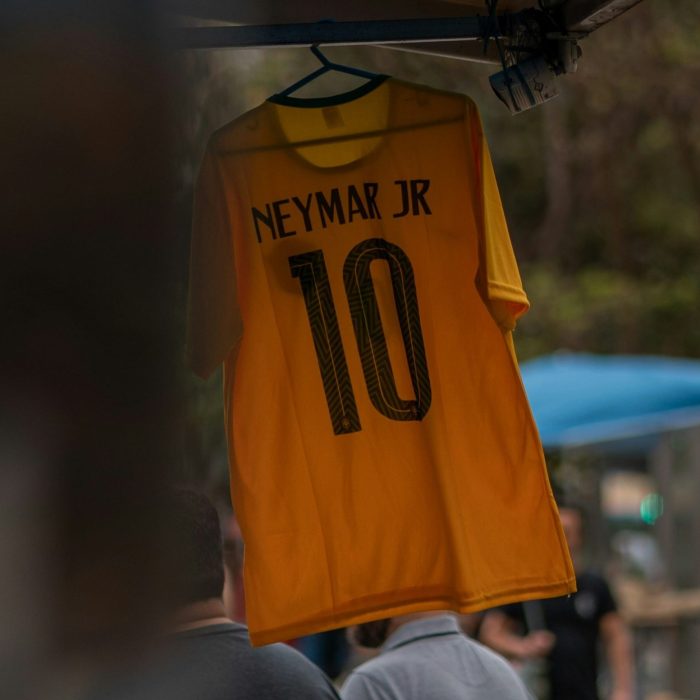
There is a romanticized idea that greatness begins with the best equipment. In reality, for many of the world’s greatest icons, their first pair of “pro” boots didn’t come from a pristine box; they came from a neighbor’s attic, a charity shop, or—in the case of Neymar Jr.—a local landfill.
Before he was a global icon, Neymar’s father salvaged boots to ensure his son could compete. It wasn’t about the grip; it was about the permission to play. Similarly, Arsenal legend Ian Wright didn’t walk into his life-changing Crystal Palace trial with a sponsorship deal. He walked in with a pair of Diadora boots he’d bought off a guy in Brixton for a few pounds.
In the townships of South Africa, the second-hand boot is more than a piece of gear—it’s a symbol of the “Diski” (street football) culture. For many Bafana Bafana legends, a new pair of boots was a luxury their families simply couldn’t prioritize over bread and rent.
These players didn’t succeed despite their second-hand boots; they succeeded because those boots taught them resilience. When you’ve scored a hat-trick in a pair of boots held together by athletic tape and hope, playing in a Champions League final is easy.
The lesson for every young player today is simple: The magic isn’t in the boot; it’s in the feet that wear them.
Be part of something bigger—subscribe today for insights, tips, and stories from fellow athletes and weekend warriors. Together, we’ll inspire the desire to get out there and make The Second Half count!
Recent Comments